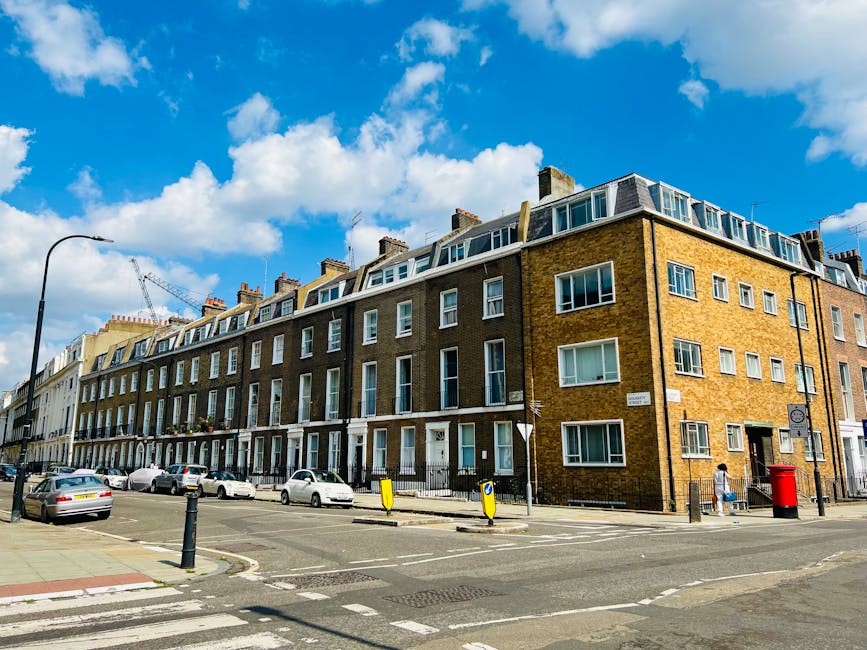
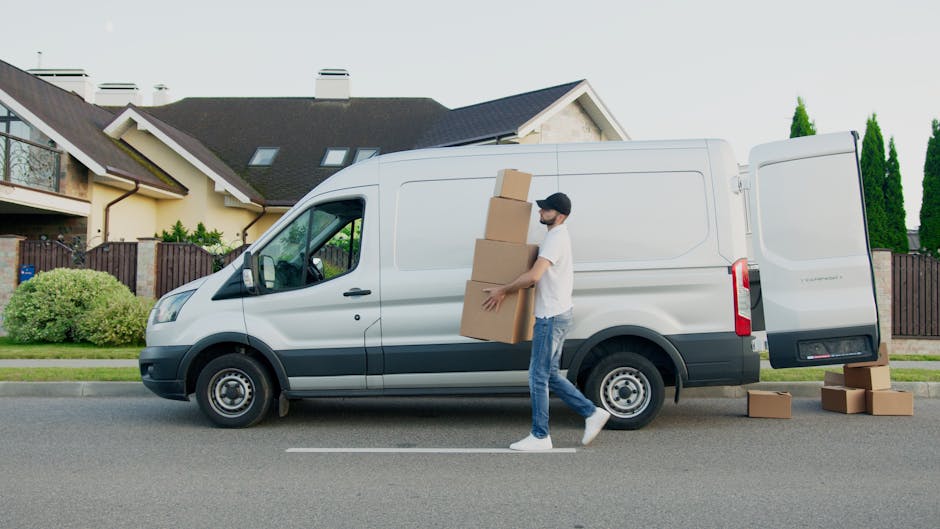
Man with a van in Bloomsbury

Our man with a van in Bloomsbury service is set up for straightforward transport when you need a careful, practical move across central London or beyond. We handle everyday removal work with a focus on loading, carrying and transporting items securely, whether the job involves a few bulky pieces, a compact flat move or mixed household belongings. The service is built around sensible planning, tidy handling and clear communication, so you can arrange the work with a realistic understanding of what is involved.
Bloomsbury’s streets, buildings and access conditions can make moving work feel more particular than it first appears, especially where stair access, limited stopping space or awkward items are involved. We support customers who need help moving furniture, boxes, white goods and other household goods without turning the process into something overcomplicated. If you are comparing options, our man with a van service gives a simple starting point for understanding the type of work we cover and the sort of collections and deliveries we are set up to handle.
For many customers, the value of this kind of service is that it combines transport and labour in one arrangement. Rather than organising a vehicle separately and then finding extra hands, you can keep the move in one place and make the load easier to manage. That is especially useful when the items are too large for a car but do not justify a full removal operation. If you already know what needs moving, a brief enquiry is usually enough to begin discussing the practical details and request a quotation.
House and flat moves
For smaller home moves, a van-based removal can be a sensible option when the load is manageable but still requires proper lifting and transport. We can help with beds, wardrobes, sofas, tables, chairs, storage units and the mixed items that tend to build up during a move out of a flat or house. The aim is to keep the process ordered, from arrival and loading through to delivery at the destination.
Where access is straightforward, the work may be completed quickly; where there are narrow stairs, shared entrances or fragile furniture, the pace needs to be more measured. If you are looking at home-moving options, our home moves page explains the broader residential scope and is useful when you want to think through how a domestic move can be handled in one coordinated visit rather than by splitting the job into separate trips.
Useful preparation does not need to be complicated. A short list of the items, a note of any especially heavy pieces and an idea of floor level at both ends usually helps us scope the work properly. If you have dismantled furniture or packaging that needs to travel with the load, that can also be included in the discussion. Clear information makes it easier to provide a quotation that fits the actual job rather than a rough guess.
Furniture, single items and careful handling

Many enquiries are not full moves at all, but a request to move one or two awkward items safely. That might include a sofa that needs lifting around a tight hallway, a bed frame that has to be moved in sections, or a dining table that is too heavy to shift without help. In those situations, the main benefit of the service is controlled handling rather than speed for its own sake.
When the item is valuable, unusually shaped or vulnerable to scuffs, the way it is carried matters. We work to keep pieces stable in transit and to reduce avoidable knocks during loading and unloading. For customers who mainly need item collection or delivery, our furniture pick-up service is a useful related page, especially where a larger item needs moving from a shop, storage point or private address to another destination.
Some jobs call for a little extra thought before the van arrives. Mirrors, glass tops, marble-effect tables and fitted-shelf components can need protection or a better loading order, while dismantled pieces should be grouped so that screws, fittings and panels stay together. A good quotation depends on those practical details, because they affect handling time and the space needed in the vehicle. If you can identify the item type clearly, it becomes easier to match the service to the work.
Office and business removals
Commercial customers sometimes need a flexible moving solution for desks, chairs, filing cabinets, archive boxes, displays and general equipment. A van-based removal can suit a small office, studio or practice when the volume is limited and the work needs to be organised around normal trading hours. The focus is on moving items with care while keeping the process straightforward for the business involved.
Where the load includes mixed office furniture and packed materials, the move benefits from a sensible sequence. Heavier items usually go first, with lighter boxes and smaller pieces arranged around them so the load remains secure. If your enquiry relates to a workplace relocation rather than a home move, our office removals page gives a more direct route into that subject and helps distinguish business moves from domestic ones.
Useful preparation for a business move often means identifying what must be moved, what can be left behind and whether any items need to be kept accessible on arrival. That can make a real difference to loading order and unloading priorities. For some premises, lift access, reception arrangements or building rules may also matter, so it helps to mention those in the quotation request rather than leaving them until the day.
Planning a practical collection

Before a collection or move, the most helpful information is usually the simplest: what is being moved, where it is coming from and where it needs to go. If there are stairs, parking restrictions or particularly narrow access points, those details matter because they affect how the job is approached. A clear starting point helps avoid misunderstandings and means the quote is based on the work in front of us, not an assumption.
It is also worth considering whether the items are ready to go or still need to be packed, dismantled or grouped together. We can work with both prepared and partially prepared loads, but the schedule and handling requirements may differ. If you are comparing commercial removal options, our removal services page offers a broader view of the type of transport and lifting work that can sit around a van-led move.
When items are being collected from more than one room or from several points in a property, listing them in a simple order can make the day run more smoothly. There is no need for a long inventory unless the move is more involved; a concise note is often enough. The aim is to keep the process efficient while still being accurate enough to support a proper quotation and an appropriate vehicle size.
How the van service is used
Van-based removal work is flexible enough to cover a range of common moving tasks, which is why it suits customers who do not need a large multi-vehicle operation. It can be used for local deliveries, moving furniture into storage, transferring household goods between addresses, or taking a handful of bulky items from one part of London to another. The key is matching the vehicle and labour to the actual load.
Because the service is practical rather than ornate, the details matter. A single awkward wardrobe may need more care than ten lighter boxes, and a move with easy parking can be very different from one where the vehicle must stop some distance away. If you want to compare the service structure with other removal options, our removals page is a helpful general reference and sits alongside the more focused pages for specific move types.
In many cases, the job can be kept simple by identifying the main pieces first and then adding the smaller items around them. That is often the best way to think about a van move: not as a complicated project, but as a transport task that benefits from order and care. Where needed, the load can be split into sections so that fragile or valuable items are protected during transit.
About Bloomsbury
Bloomsbury is a district in central London best known for its association with literature, education and carefully planned Georgian streets. The area developed significantly in the eighteenth and nineteenth centuries, with squares and terraces that still give much of Bloomsbury its distinctive character. Russell Square, Bloomsbury Square and Bedford Square are among the best-known open spaces, and they reflect the planned urban form that shaped the district’s identity. The British Museum, founded in the eighteenth century and opened in its current home in the nineteenth, is one of the area’s major landmarks and draws visitors from around the world. The district is also closely linked with universities and institutions, including parts of the University of London, which contribute to a strong academic atmosphere. Bloomsbury’s literary history is significant too, with the Bloomsbury Group of writers, artists and thinkers becoming an enduring part of its cultural reputation in the early twentieth century. Today the area combines residential streets, educational buildings, museums, garden squares and busy transport connections, while retaining a sense of ordered space unusual in inner London. Its architecture ranges from Georgian terraces to later institutional buildings, and many streets still show the original square-based layout that defines the area’s historic centre.
Moving with care and the right sequence
Good removal work depends as much on sequence as on strength. Heavy items are normally loaded with consideration for balance, while lighter boxes can be used to fill gaps and steady the arrangement. That approach helps protect furniture during the drive and can make unloading easier at the other end. When the move includes mixed household contents, a thoughtful sequence is often more efficient than rushing to fill the van.
Where disassembly is needed, it helps to separate the main components before the move day rather than treating the job as one undifferentiated load. Beds, tables and modular furniture are often easier to manage when key parts are already grouped together. If your move is tied to a change of address, our house removals page is a useful related service for understanding residential moving in a fuller way.
Practical access details can change how a move is planned. Parking availability, lift use, doorway width and the distance from the van to the property all affect handling time and the easiest loading method. You do not need to overdescribe the property, but the main points are worth mentioning when asking for a quotation so the estimate reflects the real situation rather than a simplified version of it.
Quotations, timing and what affects the price

The main factors that tend to shape a quotation are the amount of furniture or goods to be moved, the distance between addresses, the ease of access and any extra handling involved. Stairs, long carries, dismantling, or the need to move especially heavy pieces all influence the time required. A clear quote is therefore usually based on the load and the practical circumstances, not just the mileage.
If you are comparing options for a specific job, it can help to send a concise description of the move rather than a long narrative. The more precise the information, the easier it is to judge the likely vehicle space and the labour needed. For people who want to understand pricing structure first, our pricing and quotes page is the most direct place to start before making a firm enquiry.
There is no need to wait until every item is packed before asking for a quotation, especially if you already know the main pieces involved. A sensible estimate can often be discussed from a basic list and a few access details. If you are ready to proceed, send through the key information and we can move on to the practical arrangement from there.
Packing, preparation and moving day details
Packing and preparation do not need to be excessive, but they do make a difference to how smoothly the work runs. Boxes should be closed securely, loose items kept together and fragile goods separated where possible. If you already have packaging from a previous delivery or move, that may be useful to keep rather than discard, especially for items that need extra protection in transit.
For customers who want support with the loading process as well as transport, a van move can be paired with practical preparation on site. That might mean moving items from upper floors, arranging the load in a safe order or keeping related pieces together so they are easy to identify at delivery. If you want a related page on handling the contents around the move, our packing and unpacking services page provides a broader view of that kind of support.
It is also sensible to think about what should travel and what should not. This is especially important where a move includes mixed household contents, paperwork, food items or things that belong in storage rather than at the destination. A little sorting beforehand can save time during loading and reduce the chance of items ending up in the wrong place when the van is unloaded.
Other removal options and related services

Not every move fits a single template, so it is useful to know which related services sit alongside a man and van arrangement. Some customers need a broader domestic move, while others are looking for a one-off collection, a business relocation or a van for heavier transport. Choosing the right page or service type helps match the scale of the job to the way it is carried out.
For households moving between addresses, a smaller van-led job may be enough; for larger or more structured relocations, a fuller removal service may suit better. If you need to move a workplace rather than a home, our commercial moves page is a useful next step. It sets out the commercial side of moving work without mixing it up with domestic arrangements.
If you are planning a move in Bloomsbury and want a practical quotation, ask for a quote once you have the main item list and access details ready. That keeps the enquiry focused and helps ensure the response is based on the real work involved. You can also use the relevant service page to compare the most appropriate option before deciding how to proceed.