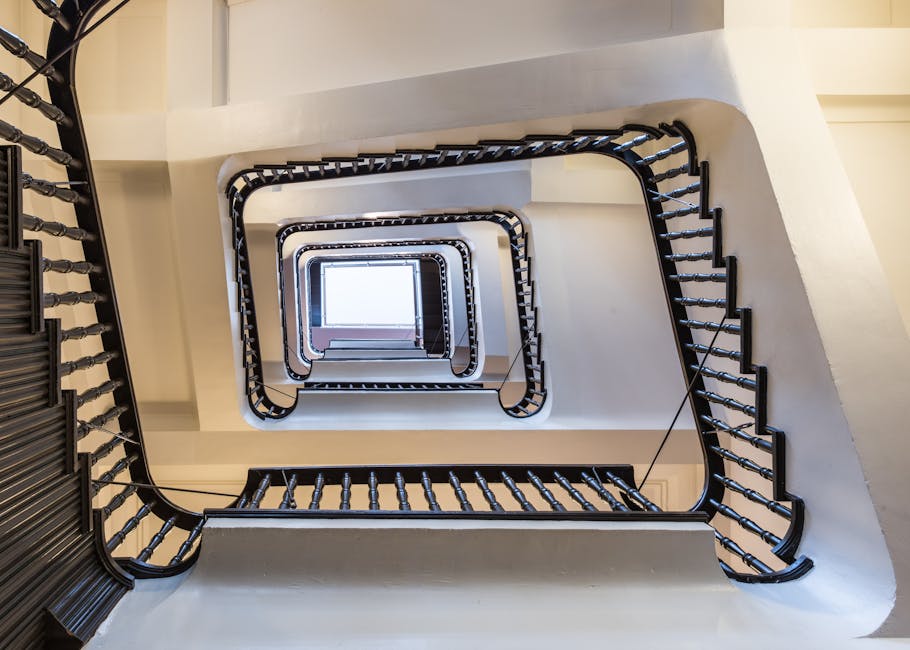
Tavistock Square removals: stair and lift access tips in Bloomsbury
If you are planning a move around Tavistock Square, you already know this part of Bloomsbury has its own rhythm: elegant buildings, tight access points, shared entrances, and lifts that are sometimes helpful, sometimes temperamental, and occasionally a little more optimistic than useful. That is exactly why Tavistock Square removals: stair and lift access tips in Bloomsbury matter so much. A well-planned move here can save time, protect your furniture, and reduce stress before the first box even leaves the flat.
Truth be told, most moving problems in this area are not about the distance travelled. They are about getting things out safely. Narrow stairwells, awkward corners, weight limits in lifts, and building rules can all turn a straightforward house move into a slow, sweaty puzzle. The good news? With the right preparation, you can make access work for you rather than against you.
In this guide, we will cover how stair and lift access affects removals near Tavistock Square, what to check before moving day, how to avoid common mistakes, and which practical steps help keep the whole process calm. We will also link to useful resources on removals in Bloomsbury, flat removals, and packing and boxes in Bloomsbury so you can plan the job properly from start to finish.
Table of Contents
- Why Tavistock Square removals: stair and lift access tips in Bloomsbury Matters
- How Tavistock Square removals: stair and lift access tips in Bloomsbury Works
- Key Benefits and Practical Advantages
- Who This Is For and When It Makes Sense
- Step-by-Step Guidance
- Expert Tips for Better Results
- Common Mistakes to Avoid
- Tools, Resources and Recommendations
- Law, Compliance, Standards, or Best Practice
- Options, Methods, or Comparison Table
- Case Study or Real-World Example
- Practical Checklist
- Conclusion
- Frequently Asked Questions
Why Tavistock Square removals: stair and lift access tips in Bloomsbury Matters
Tavistock Square sits in one of central London's more complex residential pockets. Buildings vary a lot. One property might have a decent lift and wide landing space; the next might have a service lift that barely accommodates a small wardrobe, never mind a sofa. If you are moving in or out of the area, access planning is not a nice-to-have. It is the difference between a move that feels organised and one that feels like a never-ending obstacle course.
The core issue is simple: removal teams need space, time, and safe movement routes. Staircases can be tight, lifts can be small, and communal hallways may need to stay clear for residents. In some blocks, you also need to think about booking lift slots, protecting walls, or arranging temporary parking near the entrance. That all sounds a bit much. Because it is.
But once you understand the access picture, everything gets easier. Furniture can be measured properly. Boxes can be labelled by priority. The right team size can be booked. And if a lift is out of action, you can adapt before the van arrives rather than scrambling at 9 a.m. with a mattress stuck on the first landing.
For people moving larger items, this matters even more. Sofas, beds, fridges, desks, and pianos are the pieces that usually expose weak planning. If you are moving valuable or bulky furniture, it is worth reading about furniture removals in Bloomsbury and, for specialist items, piano removals in Bloomsbury. Access is not just a logistics issue; it is a protection issue too.
How Tavistock Square removals: stair and lift access tips in Bloomsbury Works
At a practical level, stair and lift access planning means mapping how each item will leave the property. The route matters as much as the item itself. In a typical Bloomsbury flat move, the mover will want to know:
- how many floors are involved
- whether there is a lift or only stairs
- the width of the staircase and landings
- any tight turns or low ceilings
- door frame sizes and hallway clearance
- where the van can park safely and legally
- whether building management has rules about moving times
That information helps determine the safest method. For example, a narrow spiral staircase might mean dismantling furniture first. A lift may be suitable for boxes and smaller items but not a king-size mattress. And if the lift has a low internal capacity, you do not want to discover that with your heaviest chest of drawers halfway through the job. That would be a grim morning, to be fair.
Many moves around Tavistock Square are better handled as a staged operation. Lightweight items go first. Fragile items are kept separate. Larger pieces are wrapped, measured, and moved only when the path is clear. This is where clear packing and solid labelling make a real difference, so it can help to follow smart packing tips for an organised move and use suitable supplies from packing and boxes in Bloomsbury.
Sometimes the decision is not "stairs or lift?" but "which combination reduces risk?" A lift may be used for boxes while a stair route is better for awkward items that do not fit well inside. Or the reverse. The point is to choose the path that reduces damage and delays, not the one that feels easiest at first glance.
Key Benefits and Practical Advantages
Good access planning brings more than convenience. It gives the move structure. That structure makes a big difference when you are trying to keep people, furniture, and time under control.
- Less damage: tighter control over movement means fewer knocks, scrapes, and crushed corners.
- Faster loading: if everyone knows the route, items move smoothly instead of stopping at every landing.
- Lower stress: fewer surprises on moving day, which honestly is half the battle.
- Better protection for the building: hallways, banisters, and lift interiors are less likely to be scuffed.
- Safer lifting: less rushing means fewer awkward carries and fewer strained backs.
There is also a small but real benefit that people often miss: access planning helps you decide what not to bring down the stairs at all. Sometimes a bulky wardrobe, bed frame, or old bookcase is more sensible to dismantle, sell, recycle, or store. If you are still making decisions about what stays and what goes, these decluttering steps before relocating can help you cut down the load before the van arrives.
In central London, where parking and timing can be a headache, even a small improvement in access planning can save a meaningful amount of time. That can also affect cost. For anyone comparing options, the basics of pricing and quotes are worth understanding before booking. Access complexity often plays a part in the final quote, and it is better to know that upfront than to be surprised later.
Who This Is For and When It Makes Sense
This advice is relevant if you live, work, or are moving through Tavistock Square and the wider Bloomsbury area. It is especially useful if you are dealing with flats, shared blocks, office buildings, or properties with restricted access.
You will likely benefit most if you are:
- moving from a flat with no lift
- moving into a building with a small or shared lift
- handling large furniture or fragile items
- trying to reduce noise and disruption for neighbours
- planning a move with limited parking access
- working to a tight timetable, such as student move-in or end-of-tenancy deadlines
Students moving around Bloomsbury often face a different kind of access challenge. The property may be smaller, but the stairs are still steep, the box count still grows mysteriously overnight, and the lift may already be busy. If that sounds familiar, student removals in Bloomsbury can be a useful service option to consider.
Likewise, office moves can bring their own access headaches. Printers, monitors, filing units, and desks do not move themselves, sadly. For businesses or home workers relocating nearby, office removals in Bloomsbury are worth reviewing alongside stair and lift planning, because a narrow corridor in a commercial building can be just as tricky as a residential staircase.
Step-by-Step Guidance
Here is a practical way to approach a Tavistock Square move without turning the day into chaos.
- Survey the access route early. Check stairs, lifts, door widths, and any awkward turns. Do this before you pack the last box, not on the morning of the move.
- Measure your bulky items. Sofas, beds, wardrobes, and fridge-freezers are the usual troublemakers. If they do not fit cleanly, plan to dismantle them or move them another way. A bed-specific approach is often helpful; see these bed and mattress moving techniques.
- Ask about lift rules. Some buildings require lift protection, booking slots, or special instructions from management. Find out early.
- Plan parking and unloading. A clear unloading point matters as much as the route inside. A short carry is always better than a long one through a shared entrance.
- Sort items by weight and fragility. Put heavy items into smaller boxes. Keep fragile items clearly marked and separated.
- Protect the building and your furniture. Use covers, blankets, edge protectors, and floor protection where appropriate.
- Reserve extra time for the first few items. The move usually gets faster once the route is tested. The first sofa is the real test.
- Keep a backup plan. If the lift fails or access changes, know in advance which staircase, entrance, or dismantling option you will use instead.
A small but valuable tip: make one box or bag your access kit. Include tape, gloves, basic tools, a pen, and any building contact numbers. That tiny bit of preparation can save a huge amount of standing around wondering where the screwdriver vanished to. Happens all the time.
If you have very heavy items, it is worth reading how to conquer heavy lifting without assistance before you start. And for particularly awkward objects, the guidance on avoiding DIY piano-moving hazards is a good reminder that some items need specialist handling, not improvisation.
Expert Tips for Better Results
After enough local moves, you begin to see the same patterns. The buildings differ, but the problems often repeat. Here are the small things that make a big difference.
1. Keep stairwells clear before the team arrives. Shoes, bikes, recycling bags, umbrella stands, and random bits of storage can all get in the way. A clear path makes a move feel instantly more professional.
2. Photograph the route. A quick photo of a lift, landing, or awkward bend can help the removal team prepare. It is one of those simple habits that saves time later.
3. Dismantle early, not late. If a bed frame or table needs to come apart, do it before moving day if possible. There is always more pressure once everyone is waiting.
4. Use sensible box sizes. Heavy books in a huge box are a mistake. A very common mistake. Keep heavy loads small and manageable.
5. Protect corners and edges. The damage during stair moves often happens at turning points. Banisters and sharp wall corners are the usual culprits.
6. Be honest about lift limitations. If a lift is narrow, slow, or shared, do not pretend it is better than it is. Be honest with the movers and yourself.
7. Build a little slack into the schedule. Central London access can be affected by traffic, deliveries, residents, and building timings. A move that sounds quick on paper can slow down in real life.
One more thing. If you are moving items into storage because access or timings are awkward, it can be worth looking at storage in Bloomsbury. Sometimes splitting the move into two stages is the calmer option, especially if you are trying to manage a renovation, an overlap between tenancies, or a very full flat.
Common Mistakes to Avoid
A lot of moving stress comes from predictable errors. The annoying part is that most of them are avoidable.
- Not measuring items properly. Guessing whether a sofa will fit through a stairwell is a risky hobby.
- Assuming the lift will be available. Shared buildings can be busy, and lift access is not always guaranteed.
- Overfilling boxes. This makes lifting harder and increases the chance of breakage.
- Leaving fragile items unprotected. A staircase is not a gentle environment.
- Forgetting building rules. Some blocks need notice, permissions, or lift padding.
- Trying to force large items through. If it does not fit, stop. Do not "just angle it a bit more" until something creaks.
- Ignoring neighbour impact. Loud, repeated trips at the wrong time can create friction that nobody needs.
Another mistake is assuming access issues only matter for large removals. Even a small flat move can be derailed by one awkward piece of furniture or a locked service lift. It is not always the size of the move; sometimes it is the shape of it.
If you want the move to feel more manageable from the outset, a practical read like cleaning your home before the big move can help you create a more organised departure, and that tends to make access checks easier too. Less clutter, less confusion, fewer mysteries under the stairs.
Tools, Resources and Recommendations
You do not need a huge kit, but the right tools do make stair and lift moves far easier.
| Item | Why it helps | Best used for |
|---|---|---|
| Furniture blankets | Reduce scratches and knocks | Desks, wardrobes, sofas |
| Straps and ties | Keep loads secure during carrying | Boxes, mattress protection, bundled items |
| Floor protection | Protects communal halls and your own flooring | Entrance areas, stair bottoms, lift thresholds |
| Sliders or dollies | Help with moving heavier items over flat surfaces | Short carries, loading areas, broad corridors |
| Labels and marker pens | Speed up placement and reduce confusion | Box sorting, room grouping, fragile markers |
In terms of service support, it helps to choose a provider that can handle both planning and practical lifting. A local man and van in Bloomsbury is often useful for smaller or mid-sized access-sensitive moves, while removal services in Bloomsbury may suit fuller properties or more involved access arrangements.
If you are comparing providers, check how they talk about safety, equipment, and communication. You want a team that asks sensible questions about your stairwell, not just one that says "we'll be fine" in a way that makes you nervous. That kind of confidence is not always confidence.
It is also worth reviewing the company's approach to safety and working standards, especially where heavy lifting is involved. A clear health and safety policy and an accessible accessibility statement are reassuring signs that the business thinks beyond the van itself.
Law, Compliance, Standards, or Best Practice
For removals near Tavistock Square, compliance is usually less about one dramatic legal issue and more about a series of ordinary responsibilities handled properly. That includes safe lifting practices, respecting building rules, protecting common areas, and operating within parking or loading restrictions where applicable.
In the UK, movers and customers alike should think in terms of reasonable care. That means not blocking emergency routes, not leaving hazards in shared spaces, and making sure heavy items are handled safely. If a building requires advance notice for lift use or specific moving windows, those instructions should be followed carefully. It sounds obvious, but you would be amazed how often people try to wing it. Not ideal.
For businesses and professional moving teams, good practice also includes insurance awareness, clear terms, and transparent communication about what is and is not covered. If you are booking a move, it is sensible to read about insurance and safety and understand the booking terms via terms and conditions. That way, everyone knows where they stand if the unexpected happens.
If a move requires temporary storage, recycling, or waste reduction, a responsible plan is especially useful. You can also look at recycling and sustainability if you are clearing items and want to avoid unnecessary disposal. That is often the smarter route in a central London move, particularly when space is tight and every item has to earn its place.
Options, Methods, or Comparison Table
There is no single best access method. The right choice depends on the building, the item, and how much risk you want to carry into the day.
| Method | Best for | Pros | Watch out for |
|---|---|---|---|
| Lift only | Boxes, lightweight furniture, quick transfers | Usually faster and less tiring | Size limits, booking rules, lift faults |
| Stairs only | Buildings without a lift, emergency backup routes | No waiting for lift access | More physical effort, tighter turns, higher damage risk |
| Mixed approach | Most Bloomsbury flats and shared buildings | Flexible, efficient, better for awkward items | Needs clear coordination |
| Furniture dismantling first | Large wardrobes, beds, desks, bookcases | Improves fit and safety | Needs tools, time, and care with reassembly |
| Storage staging | Overlapping tenancies, renovations, complex access | Reduces pressure on moving day | Extra step, extra planning |
For many Tavistock Square moves, the mixed approach is the winner. Use the lift where it genuinely helps. Use the stairs where they are safer or more practical. The best route is the one that gets the job done without drama.
Case Study or Real-World Example
Here is a realistic scenario from the kind of move that comes up again and again in Bloomsbury.
A two-bedroom flat near Tavistock Square has one small lift and a stairwell with a tight turn on the second floor. The move includes a sofa, two beds, a fridge-freezer, several book boxes, and a heavy desk. At first glance, the lift seems like the answer for everything. But once the movers inspect it, the sofa barely fits and the fridge-freezer would be awkward to manoeuvre inside. The desk, meanwhile, turns out to be the real problem because its shape makes the stair turn awkward.
The better plan is a split strategy: boxes and lighter items in the lift, sofa dismantled and wrapped, fridge-freezer moved with careful handling, and the desk legs removed before carrying. The stairs are protected at the tight corner, and the communal area is kept clear. Nothing dramatic. Just methodical. The whole move becomes far calmer because the access issue was dealt with early, not on the fly.
This is also where a local team helps. Someone who knows Bloomsbury will often spot the likely pinch points quickly: a narrow entrance, a shared lift, a loading space that disappears fast on weekday mornings. That local judgement is worth a lot. You can learn more about the company background on the About Us page if you want to understand the approach behind the service.
Practical Checklist
Use this before moving day. It is simple, but it catches the issues people forget in the rush.
- Measure the largest items and check they fit through stairwells or lift doors
- Confirm whether the building has lift booking rules or access windows
- Check parking and unloading options near Tavistock Square
- Clear hallways, landings, and entrances of clutter
- Decide which furniture needs dismantling in advance
- Pack heavy items into smaller boxes
- Label fragile items clearly
- Protect corners, banisters, and lift interiors where needed
- Tell the movers about any awkward turns, low ceilings, or shared spaces
- Keep tools, tape, and a marker pen handy on the day
- Arrange storage if your move needs a split schedule
- Plan for waste, donations, or recycling of unwanted items
If you want a broader move plan alongside access checks, the Gower Street WC1 move checklist is a useful companion read for local planning. Different street, same central London realities, really.
Conclusion
Stair and lift access can make or break a Bloomsbury move, especially around Tavistock Square where buildings, entrances, and loading conditions vary so much. The best approach is never guesswork. Measure carefully, ask the awkward questions early, and match the moving method to the building rather than the other way round.
When access is planned properly, the whole move feels more controlled. Boxes move faster. Furniture stays safer. People stay calmer. And the building, neighbours, and movers all have an easier day. That is really the goal here. Not perfection. Just a move that works.
If you are preparing a local relocation and want help choosing the right service, checking access, or handling awkward furniture, it is worth speaking with a team that knows Bloomsbury's building types and moving patterns well.
Get a free quote today and see how much you can save.
Frequently Asked Questions
Do I need to measure the stairs before booking a move near Tavistock Square?
Yes, if you have any bulky furniture or appliances, measuring the staircase, landings, and doorways is one of the most useful things you can do. It helps avoid surprises and lets the movers plan the safest route.
What should I do if the lift is too small for my sofa?
If the sofa does not fit comfortably, do not force it. Dismantling, using the stairs with protection, or moving the item in a different position may be better. If none of those options work safely, the item may need specialist handling.
Can movers use a lift in a shared Bloomsbury building?
Often yes, but it depends on the building's rules and the lift's condition. Some blocks require booking, padding, or advance notice, so it is best to check with the building manager before moving day.
Is stair access always more expensive than lift access?
Not always, but stairs can increase labour time and physical effort, especially for heavy or awkward items. The final price usually depends on the overall complexity rather than stairs alone.
How can I protect the walls and banisters during a move?
Use furniture blankets, corner protection, and careful lifting technique. Clear the route first so nobody is squeezing past clutter. That small bit of prep makes a big difference.
What if parking is limited near Tavistock Square?
Plan loading and unloading in advance and speak to your mover about the best arrival time. In central London, a good parking plan can save more time than you might expect.
Should I dismantle furniture before the move?
If large pieces are awkward, fragile, or likely to catch on stairs, yes. Dismantling is often safer and faster than trying to force an item through a tight route.
How do I know whether I need storage as part of the move?
If your moving dates overlap, access is restricted, or you are decluttering in stages, storage can be a very sensible choice. It reduces pressure on the main moving day and gives you more flexibility.
Are there special considerations for office moves around Tavistock Square?
Yes. Office moves often involve heavier equipment, more people sharing the space, and stricter timing needs. Planning lift use and stair access early is especially helpful.
What are the biggest mistakes people make with stair and lift moves?
The biggest ones are guessing measurements, ignoring building rules, overpacking boxes, and leaving access planning until the last minute. Those are the ones that usually create the stress.
Can I move everything myself if I only have a few items?
Possibly, but stairs and tight access can still make even a small move risky. Heavy lifting, awkward corners, and shared entrances can cause damage or injury if you rush. Sometimes getting help is the sensible call.
How far in advance should I plan access for a Bloomsbury move?
As early as possible. A few days may be enough for a very small move, but for flats, furniture, or building-managed access, earlier planning is much safer and gives you room to adapt if something changes.